
 English
 اللغة العربية
 Spanish
Al-Milaha fi Maqala
Your Path to Deeper Insight

Product successfully added to your shopping cart
Quantity
Total
There are 0 items in your cart.
There is 1 item in your cart.
Total products
Total shipping
To be determined
Total
- Countries of the World
- Cities and provinces
- Complete Cooking Recipe Index
- Prophets' Stories
- List of surahs in the Holy Qur'an
- All Countries of the World
- Population of world countries by country
- Traffic signs in Jordan
- Zip code in Jordan
- List of world capitals
- The story of the cow of the Bani Israel
- International Calling Codes
- Al-Quran Recitations mp3
- List of currencies of the world
- Jordanian Cuisine Guide
- Car Brand Logos and Names
- Country codes names
- World time zones by country
- 6 Evergreen Content Topics
- Country flags of the world with images and names
- List of countries and dependencies by area
- List of countries and dependencies by population
News
-
 Driving theory test in Jordan Sat, 09 May 2026
QR Code
Scan the code to visit the page
Comprehensive Guide to Saudi Cuisine: From Kabsa and Mandi to Coffee and Hospitality Traditions
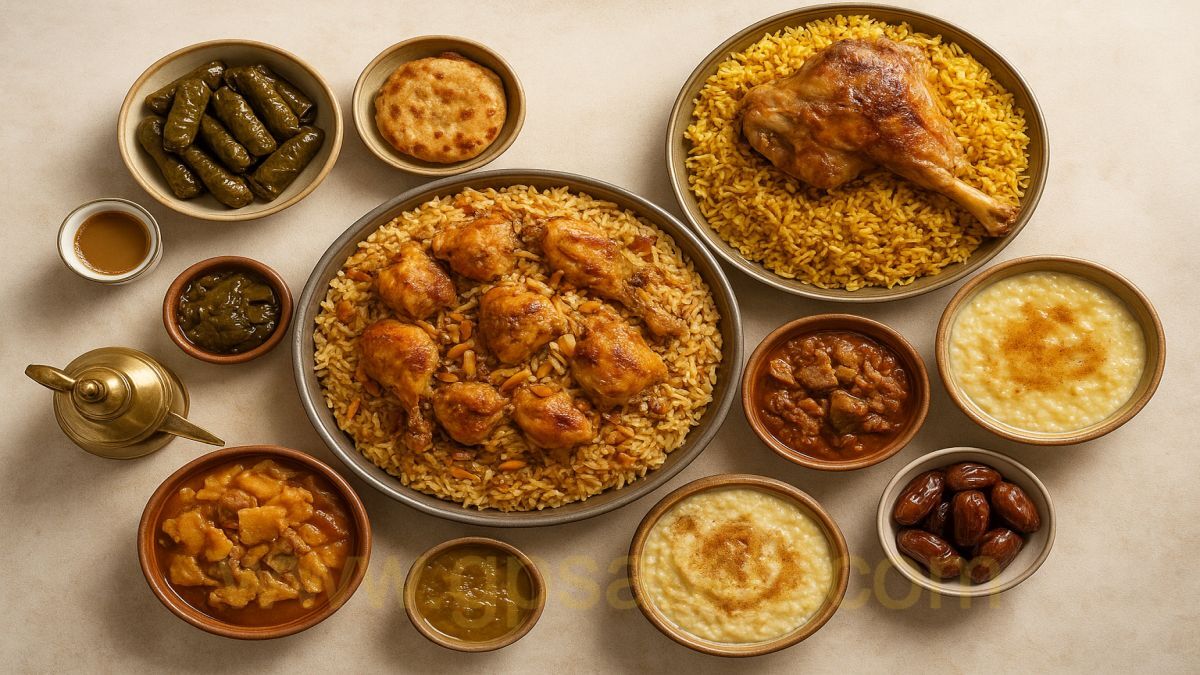
A Journey into Authentic Saudi Cuisine
From the royal main dishes Kabsa and Mandi, to Sambusa and traditional desserts; this guide compiles the most famous Saudi recipes, dining customs, and serving details.
Saudi Cuisine: Main Dishes (The Heart of the Table)
Saudi cuisine is rich with regional variations: Hijazi, Najdi, Gulf (Eastern), and Southern. The common denominator is: rice cooked with meat or chicken, and distinct local spices.National and Festive Dishes (Rice and Meat)
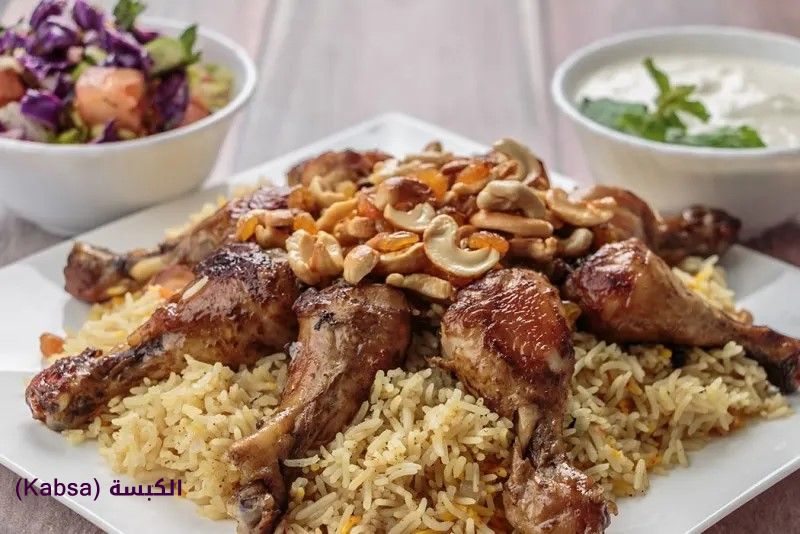
- Kabsa:Kabsa
 The Saudi national dish. Long-grain rice cooked with meat (chicken or lamb) and a special spice blend. Served garnished with nuts and raisins. Read the Recipe.
 - Mandi: Meat or chicken cooked inside an earthen oven (Tannour) buried underground, giving it a unique smoky flavor and very tender texture. Served with spiced rice. Mandi Method.
- Madghout: Rice with chicken or meat cooked in a pressure cooker, resulting in a concentrated flavor and firm rice grains.
- Mathbi: Meat or chicken grilled on a saj or grill over coal or wood, served with rice or bread.
- Zurbian: On special occasions, such as weddings and festivals, Saudi tables are filled with delicious zurbian dishes. The perfect dish to feed a large crowd, zurbian is cooked with marinated meat (lamb, lamb, chicken, or beef) in an aromatic and spiced tomato and yogurt sauce, then placed over golden rice streaked with saffron, and garnished with caramelized onions, raisins, cashews and almonds. Toasted.
- Mafatah: A festive dish where half or a whole lamb is boiled and served with rice broth.
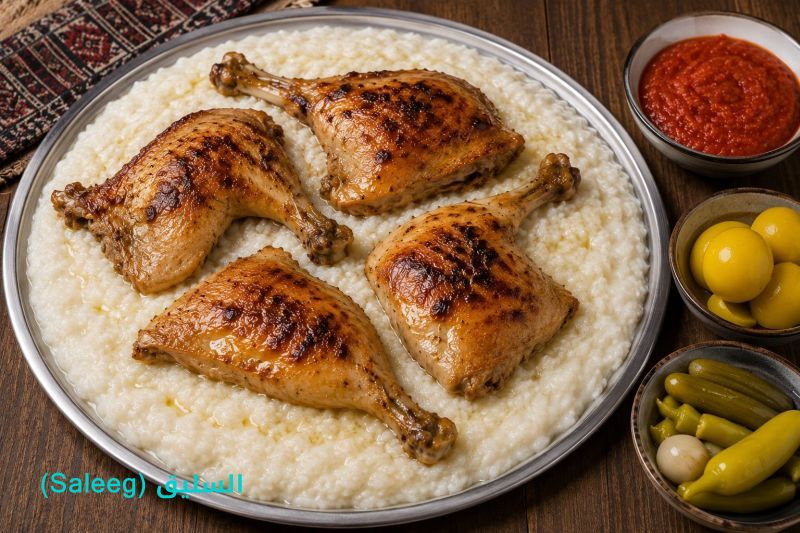
- Saleeg: Known affectionately as Saudi’s answer to Italian risotto, saleeg sees short-grain white rice cooked in chicken stock with butter and milk until thick and creamy. The finished dish is usually served on a large platter with ghee-drizzled, roasted chicken pieces placed atop the rice. Accompaniments are pickled lemons and a chilli-tomato sauce known as duggus.
- Haneeth: Meat (often goat or lamb) cooked inside a pit on hot stones (Marakh), giving it a unique smoky flavor.
- Mathloutha: A grand Najdi dish combining three layers: Jareesh, Marqooq, and Qursan, topped with a large piece of lamb.
Wheat, Grain Dishes, and Stews (Najdi and Southern)
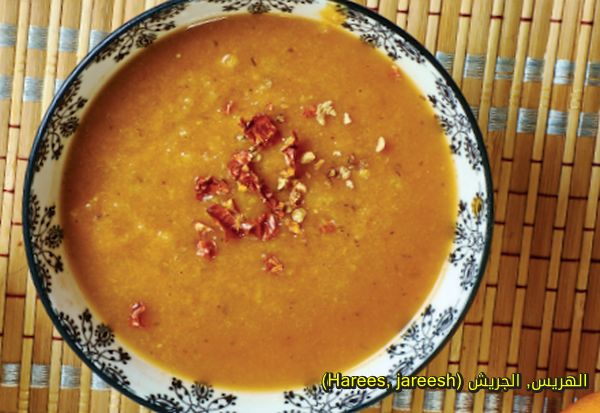
- Harees (jareesh): This nourishing dish, which dates back centuries, is a staple during Ramadan and is enjoyed throughout the country. While the exact ingredients vary from region to region and household to household, the coarse wheat porridge and lamb, known as harees or jareesh, is typically seasoned with mild spices such as black pepper, dried lime (loomi), and cardamom, and is often served garnished with sprigs of fresh parsley.
- Marqooq: A Najdi dish based on thin dough (Raqa'iq) cooked inside a meat and vegetable broth.
- Matazeez: Matazeez offers a true taste of the vast Najd desert. It is a lamb stew rich in spices and vegetables (tomatoes, eggplant, pumpkin, zucchini, green beans), topped with flat discs of dumpling dough. As the dish cooks, the dumplings absorb the delicious juices of the stew, resulting in a hearty and satisfying meal.
- Qursan: Very thin bread torn into pieces and added to a meat and vegetable broth, similar to Marqooq.
- Thareed: Often described as a savoury bread pudding, this hearty, wholesome dish calls for thin, unleavened bread to be layered with a meaty, slow-simmered spiced stew. Thought to date back to pre-Islamic time, thareed is believed to have been a favourite dish of the Prophet Muhammad and is particularly popular during Ramadan.
- Aseeda: Flour mixed with water and cooked while stirring until firm; usually served with ghee or meat broth.
Stews, Stuffed Dishes, and Seafood (Hijaz and Eastern)
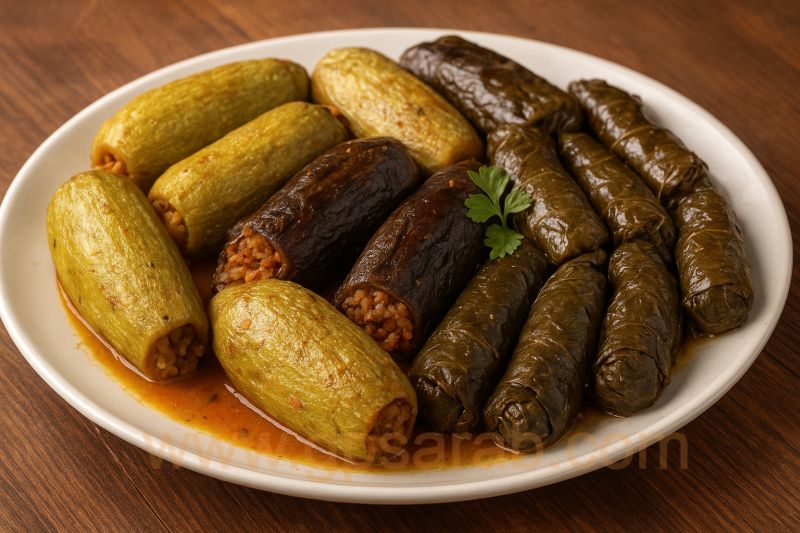
- Mahshi (Stuffed Vegetables): Zucchini, Eggplant, Grape Leaves stuffed with rice and meat.
- Jalamah: Lamb and onions cooked in an aromatic broth flavored with cardamom, coriander, cinnamon, and black pepper.
- Meat Stew (Yakhneh): Slowly cooked stews with seasonal vegetables and tender meat chunks.
- Kanad: Seafood rules supreme in the Eastern Province’s coastal cities and kanad might just be the most popular local fish of them all. With its meaty yet juicy texture, kanad tends to be treated simply and is most often served sliced into fillets and lightly fried.
- Malooh (Fish Dishes): Local fish dishes in the Eastern region cooked in various ways with Gulf spices.
- Sayadiyah: Rice cooked to a dark brown color (from onions) with fried or grilled fish, common in coastal cities.
Saudi Cuisine: Mezze, Appetizers, and Salads
Appetizers in Saudi cuisine vary between common Arab dishes and influences from Hijazi and Yemeni kitchens.1. Basic Appetizers and Dips (Dips & Spreads)
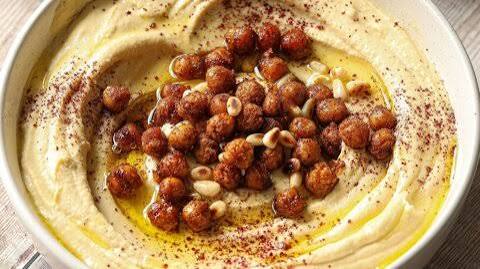
- Hummus: Smooth paste of chickpeas with tahini, lemon juice, and olive oil.
- Baba Ghanoush: Mashed and smoked eggplant mixed with tahini and olive oil.
- Olive Oil & Za'atar: Bread is dipped in oil, then in Za'atar (wild thyme, sesame, and sumac mix), essential for breakfast.
- Labaneh: Thick, creamy yogurt, eaten with olive oil and mint.
- Ful Medames: Slow-cooked fava bean dish, served with various toppings like olive oil, lemon, and cumin.
2. Mezze Salads and Fried Items (Salads & Fried)
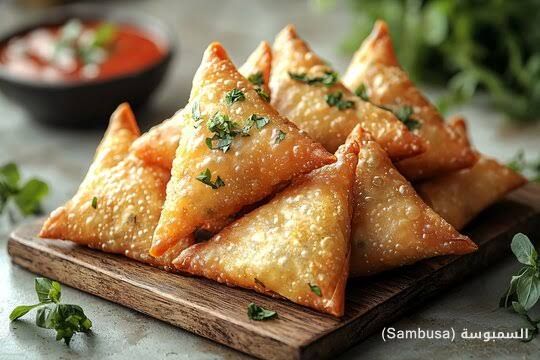
- Sambusa: Fried dough pockets stuffed with meat, cheese, or spiced potatoes, essential during Ramadan.
- Fattoush: Mixed vegetable salad topped with fried or toasted bread pieces, seasoned with sumac.
- Tabbouleh: A vegetarian dish of finely chopped parsley with bulgur, tomatoes, and lemon.
- Balila: Boiled chickpeas combine with crunchy cucumber, tangy vinegar and an array of spices in this refreshing Hijazi dish. Well-loved across Saudi, balila is considered a Ramadan essential and is often eaten straight after Taraweeh prayers.
- Arab Salad: Simple fresh salad of diced tomatoes, cucumbers, and onions.
- Fried Kibbeh: Minced meat balls coated with bulgur, deep-fried and served hot.
Saudi Cuisine: Pastries, Grills, and Fast Dishes
This category includes breakfast items, popular restaurant dishes, and dishes using special bread.1. Hijazi Pastries, Pies, and Baked Goods (Hijaz and Tihama)
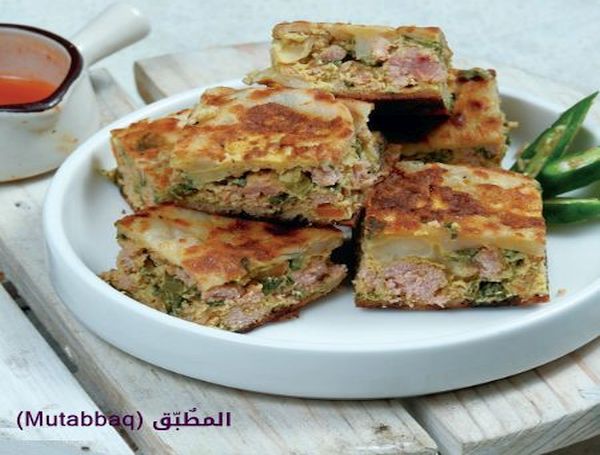
- Mutabbaq: Jeddah’s favourite street food, mutabbaq sees thinly stretched dough topped with minced meat, eggs and leeks, or spring onions before being folded into a rectangle shape and shallow fried until crisp on the outside. The whole chillies and lemon wedges served on the side are just the thing for cutting through the richness of the snack.
- Masabeeb: Also known as Saudi pancakes, these light and fluffy pancakes may be small in size, but they are extremely delicious. Masabeb is made from yeast dough, milk powder and whole wheat flour, and is fried until golden, then drizzled with honey, ghee or date molasses while still warm from the pan. Simple, yet very delicious.
- Mantu and Furmoza: Dough stuffed with meat and onions, either steamed (Mantu) or baked (Furmoza) (Hijazi dishes).
- Sfeeha (Meat Pie): Flatbread topped with spiced minced meat.
- Manakish: Flatbread topped with spices, Za'atar, or cheese.
2. Grills and Daily Dishes
- Kebab/Mashawi (Grills): Skewered meat or chicken grilled over charcoal.
- Mugalgal: Meat or liver quickly pan-fried on a saj with tomatoes, peppers, and spices.
- Hijazi Liver (Kibdah): Liver fried with onions and spices, typically eaten for breakfast.
- Kishnah: A sauce made from fried onions, tomatoes, and spices, used over rice or as a dip.
- Fatteh: Layers of toasted bread topped with strained yogurt and cooked chickpeas, seasoned with olive oil.

Saudi Cuisine: Soups (Shorba)
In Saudi cuisine, soup is essential before the main meal, especially lentil soup during Ramadan.
- Lentil Soup (Shorbat Addas):
Description: A warm, popular soup made from mashed lentils cooked in broth and spiced with cumin. Served with lemon and fried bread.
Popularity: Essential on the Ramadan Iftar table. - Cream of Chicken Soup:
Description: A more modern, famous soup consisting of thick chicken broth with cream, chicken pieces, and mushrooms. - Harira Soup:
Description: A thick, rich soup with meat, chickpeas, and lentils, colored red with spices (often Moroccan influence).
Saudi Cuisine: Traditional Sweets and Beverages
Saudi sweets are simple, based on dates and grains, and are always accompanied by Arabic coffee as a fundamental ritual of hospitality.1. Popular and Local Sweets
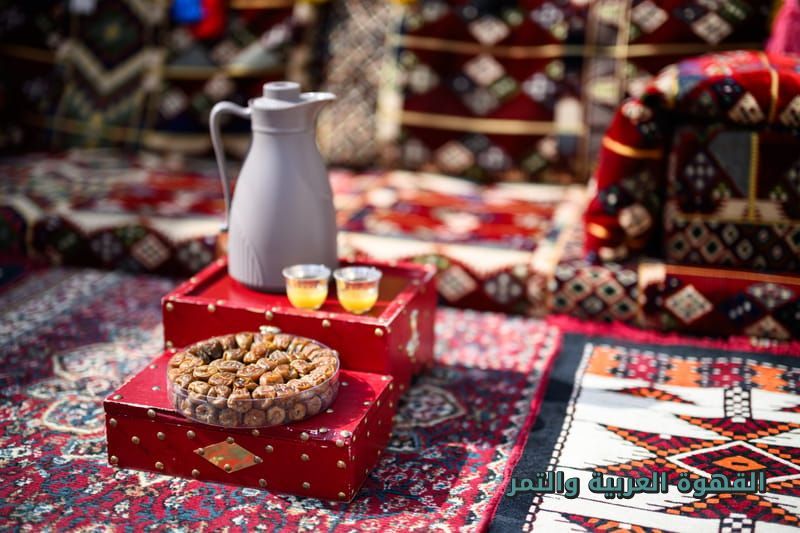
- Dates (Tamr): The most important hospitality item, served in various types with coffee.
- Hneini: A warm winter dessert, a mixture of dates, crumbled bread (or flour), and ghee, served hot.
- Ma'asoub: Mashed banana and crumbled bread mixed with honey and cream (Southern and Hijazi).
- Kleija, Kleeja (Kleija): It is a popular Saudi dessert, famous in the Qassim region, consisting of hollow cake discs prepared from brown flour, and stuffed with a mixture of dates, or date syrup, sugar, and distinctive spices such as cardamom, cinnamon, and ginger.
- Luqaimat (Awama): Deep-fried dough balls drenched in syrup (Qatr/Shira), served during Ramadan.
- Maamoul: Pastries stuffed with dates or nuts, prepared for Eids and holidays.
- Areeka: Southern dish where baked flour is mashed and mixed with honey and cream (Southern region).
2. Traditional Beverages and Complements
- Arabic Coffee (Gahwa): The basis of hospitality. Made with cardamom (Heel) and served in small cups (Finajeel).
- Mint Tea: A popular beverage, served hot with or after meals.
- Laban (Yogurt Drink): Served cold alongside main dishes (especially Mandi and Kabsa).
- Qamar al-Din: A concentrated dried apricot juice, essential during Ramadan.
- Sobiah: A slightly fermented cold drink, consumed during Ramadan, especially in Hijaz.
Saudi Cuisine: Cooking and Hospitality Customs
Generosity and Hospitality are the defining characteristics of the Saudi table, where the way food is presented and consumed reflects deep cultural aspects.
1. Serving Rituals and Generosity
- Serving Grand Feasts: Main dishes (like Kabsa and Mandi) are served on large platters (Madhan), where guests eat together from one large dish.
- Eating with the Right Hand: The tradition of shared eating is done using the right hand as a sign of cleanliness and respect.
- Coffee and Dates: Arabic coffee must be served with dates as the first step of hospitality and welcome.
2. Serving and Garnishing Tips
- Garnishing Rice: Use a sprinkle of toasted nuts (almonds / pine nuts) and raisins on top of Kabsa or Mandi dishes.
- Separate Broth: Serve meat or chicken broth in a separate bowl for pouring over the rice or drinking.
- Pickles and Pepper: Do not forget to serve lemon, pickles, and hot green pepper or crushed pepper alongside main dishes to balance the richness.
Summary: Saudi Cuisine - A Heritage of Generosity and Authentic Flavors
Saudi cuisine is distinguished by its main rice dishes like Kabsa, Mandi, and Mathbi, the variety of grain dishes such as Jareesh and Marqooq, supported by Hijazi appetizers like Sambusa and Mutabbaq, and authentic sweets like Hneini and Kleeja, all falling under the principles of hospitality and generosity that begin with coffee and dates.
Keywords: Saudi Cuisine, Kabsa, Mandi, Jareesh, Mutabbaq, Kleeja, Arabic Coffee, Saudi Hospitality, Madghout, Mathloutha
Featured Recipes: Chicken Kabsa | Mandi | Jordanian Mansaf
All rights reserved | gpsarab.com - © 2012-2026
Featured Recipes: Chicken Kabsa | Mandi | Jordanian Mansaf
All rights reserved | gpsarab.com - © 2012-2026
This page has been viewed
11052
times
Be the first to comment on this topic!
Comments Restricted
Sorry, adding comments is only available for registered users.
Click here to log in or create a new account