
 English
 اللغة العربية
 Spanish

- Countries of the World
- Cities and provinces
- Complete Cooking Recipe Index
- Prophets' Stories
- List of surahs in the Holy Qur'an
- All Countries of the World
- Population of world countries by country
- Traffic signs in Jordan
- Zip code in Jordan
- List of world capitals
- The story of the cow of the Bani Israel
- International Calling Codes
- Al-Quran Recitations mp3
- List of currencies of the world
- Jordanian Cuisine Guide
- Car Brand Logos and Names
- Country codes names
- World time zones by country
- 6 Evergreen Content Topics
- Country flags of the world with images and names
- List of countries and dependencies by area
- List of countries and dependencies by population
News
-
 Driving theory test in Jordan Sat, 09 May 2026
QR Code
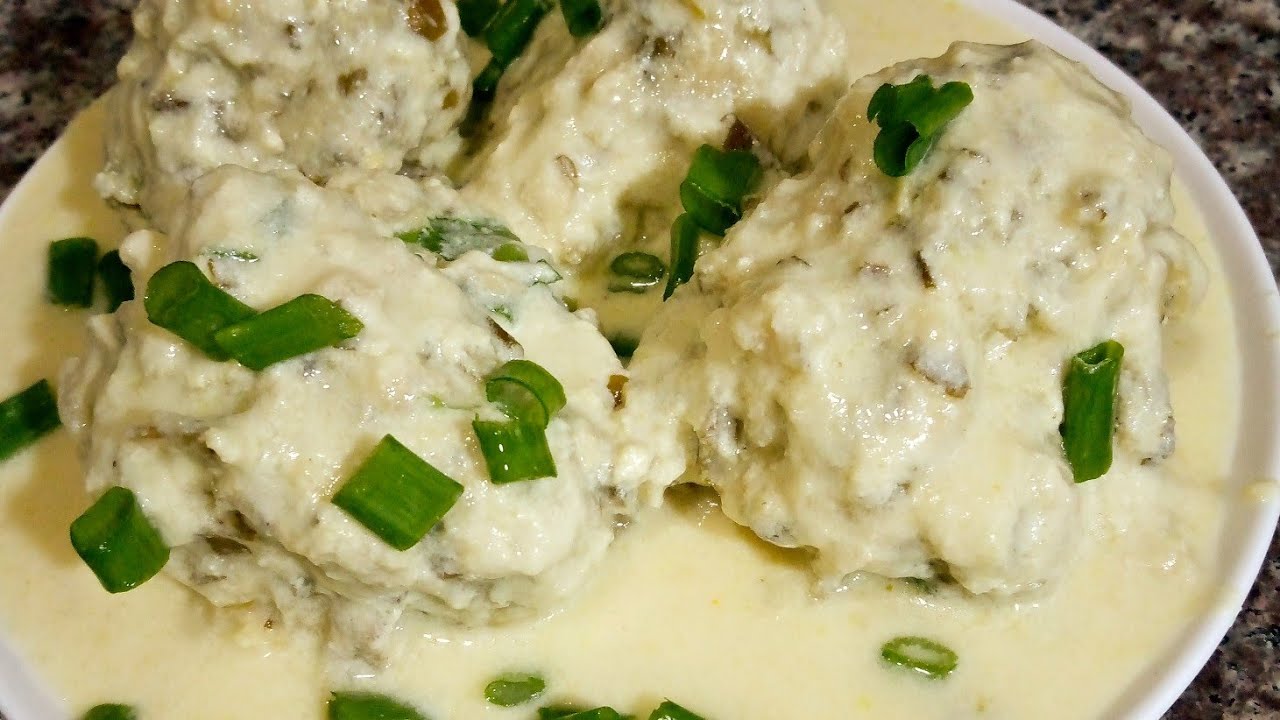
Authentic Jordanian Ja'ajeel Recipe (Ka'akeel) with Jameed
-
- Prep Time
-
- Cook Time
-
- Total Time
-
- Servings
-
- Skill Level
-
- Cuisine Type
Approximate Nutritional Information (Per Serving)
Calories: 400 kcal
Protein: 17 g
Fat: 20 g
Carbohydrates: 40 g
Here is a detailed, step-by-step recipe for preparing Ja'ajeel (Ka'akeel / Sha'asheel) as traditionally made in the northern governorates of Jordan, with some variations:
Ja'ajeel Ingredients (Ka'akeel)
Ingredients (Serves approximately 4–6 people)
- Eggs - 4–6 eggs (depending on desired quantity)
- Finely Chopped Onion - 1 to 2 medium onions
- Chopped Parsley - 1 bunch of parsley (or to taste)
- Flour (White or a blend of White + Whole Wheat) - 1 – 1.5 cups approximately (depending on desired consistency)
- Salt and Black Pepper - To taste
- Turmeric (Optional) - A small pinch for color or (a quarter teaspoon)
- Jameed or Yogurt/Labneh (or sour milk/buttermilk) - 4–6 cups (as needed)
- Oil or Ghee - 1 tablespoon (for sautéing the onion or for greasing hands when shaping)
- Crushed Garlic - 3–4 cloves (for the "Tasha"/Garnish)
- Wild Herbs (Optional: Ja'adeh or Loof or other wild greens) - (If available, to enhance the traditional flavor—used in some traditional recipes)
- Dry Mint or Sumac (Optional for garnish) - A small sprinkle
Step-by-Step Preparation Method
Step 1. Prepare the Onion and Herbs (Optional)
-
Finely chop the onions.
-
If using Ja'adeh, Loof, or any wild herb, wash it well. If it's dried, it may need soaking, then chop it finely. In some recipes, the herbs are lightly sautéed with the onion before being added to the mix.
-
In a small skillet, heat a little oil or ghee and add the onions (and herbs, if used). Sauté until the onion is wilted and soft. Then, set it aside to cool slightly.
Step 2. Mix the Base Ingredients for the Dough (Preparing the Ja'ajeel Dough)
-
In a large bowl, place the cooled onion (and herb, if used).
-
Add the eggs, salt, pepper, turmeric (if using), and chopped parsley. Mix them well until all ingredients are combined.
-
Gradually add the flour, mixing continuously until you get a dough that is soft yet cohesive, firm enough to be shaped without being too runny or too hard. If the dough needs a little water to bind, add it gradually.
-
Note: Some recipes use a mixture of white and whole wheat flour.
Step 3. Prepare the Yogurt or Jameed for Cooking
-
Prepare the yogurt, Jameed (or sour/fermented milk) in a pot over heat until it begins to boil slightly.
-
If using Jameed, dissolve it in water and boil it until it becomes a liquid suitable for cooking.
-
Caution: When adding the dough balls to the boiling liquid, the heat must be reduced to medium-low to prevent the liquid from bubbling over ("Tawash") or the balls from clustering on the surface.
Step 4. Shape the Balls and Add them to the Liquid
-
Grease your hands with a little oil (or ghee) to facilitate shaping and prevent sticking.
-
Take a small amount of the dough (about the size of a small egg or as desired) and shape it into a small ball with the palm of your hand.
-
Gently drop the balls into the boiling yogurt/Jameed. Do not drop all the balls at once; distribute them so they don't stick together.
-
Stir gently to prevent the balls from sticking to each other or the bottom of the pot. Cooked balls will float slightly to the surface.
Step 5. Final Cooking and Finishing Touches
-
Let the balls boil in the liquid for a short period—about 10 to 15 minutes—until they are cooked through and firm, stirring lightly now and then.
-
Towards the end of cooking, you can adjust the salt or add a sprinkle of turmeric or mild spices if desired.
-
Serve hot and it's best garnished with chopped parsley on top.
Step 6. Prepare the "Qadha" or "Tasha" (Garnish/Sauté - Optional but Recommended!)
-
In a small skillet:
-
Heat 1 tablespoon of Ghee or Olive Oil.
-
Add the crushed garlic until lightly browned.
-
Add a sprinkle of dry mint or sumac.
-
Pour the "Qadha" over the dish immediately before serving.
-
Essential Tips for Successful Ja'ajeel Dough (Ka'akeel)
-
Use Room Temperature Eggs: This ensures the eggs blend better with the other ingredients and helps the dough bind together.
-
Rub the Onion with Oil and Salt: This is a crucial step! Before mixing the onion or vegetables with the eggs and flour, mix them well with salt and olive oil and rub them for a while. This helps them wilt, softens their fibers, and expels excess liquids before adding the flour, ensuring a better dough texture.
-
Add Flour Gradually: Don't pour all the flour at once. Start with a reasonable amount, then add more until you get a cohesive, heavy consistency that can be shaped. Remember: the consistency should be thicker than a standard omelet batter.
-
Allow the Dough to Rest (Optional): After mixing the ingredients, you can let the dough rest for 10-15 minutes. This allows the flour to fully absorb the liquids, making it easier to assess and adjust the final consistency.
Cooking and Liquid Flavor Tips
-
Boil the Liquid First: The yogurt/Jameed must be boiling strongly when you drop the Ja'ajeel balls in. If you drop them into lukewarm or cold liquid, they will disintegrate or stick to the bottom.
-
Floating Balls: The sign that the Ka'akeel are cooked is when they float to the surface of the liquid. Once the balls start rising, confirm they are cooked. You should continue cooking for at least 15-20 minutes after this over low heat to ensure the inside of the dough is thoroughly cooked.
-
Adding Lentils: If you are using lentils, add them to the boiling liquid shortly before dropping the Ja'ajeel, or at the start of cooking the liquid to ensure they are fully cooked.
-
The "Qadha" (Sauté) at the End: For a rich, traditional flavor, prepare a "Qadha" by heating ghee (Samneh Baladi) or olive oil and adding crushed garlic, then pouring it over the liquid immediately before serving.
Notes on Flavor and Ingredients
-
Turmeric: Some add a quarter teaspoon of turmeric to the dough mixture to give the Ja'ajeel a beautiful golden color, or to the liquid to give it a light hue.
-
Whole Wheat Flour: Don't omit the whole wheat flour; it gives the Ja'ajeel a unique, soft texture and prevents them from becoming tough.
-
Dry Mint: A small addition of dry mint to the dough mixture or to the liquid imparts a distinctive, refreshing flavor to the dish.
Serving Suggestion
Ja'ajeel is served hot in a deep bowl. It is best served with a sprinkle of parsley or mint, and fresh, hot bread. It is suitable as a main lunch dish in cold weather.
Sahtein wa 'Afiah! (Enjoy your meal and well-being!)
Be the first to comment on this topic!
Comments Restricted
Sorry, adding comments is only available for registered users.
Click here to log in or create a new account