
 English
 اللغة العربية
 Spanish


- Countries of the World
- Cities and provinces
- Complete Cooking Recipe Index
- Prophets' Stories
- List of surahs in the Holy Qur'an
- All Countries of the World
- Population of world countries by country
- Traffic signs in Jordan
- Zip code in Jordan
- List of world capitals
- The story of the cow of the Bani Israel
- International Calling Codes
- Al-Quran Recitations mp3
- List of currencies of the world
- Car Brand Logos and Names
- Jordanian Cuisine Guide
- Country codes names
- World time zones by country
- 6 Evergreen Content Topics
- Country flags of the world with images and names
- List of countries and dependencies by area
- List of countries and dependencies by population
QR Code
Scan the code to visit the page
News
-
 Driving theory test in Jordan Sat, 09 May 2026
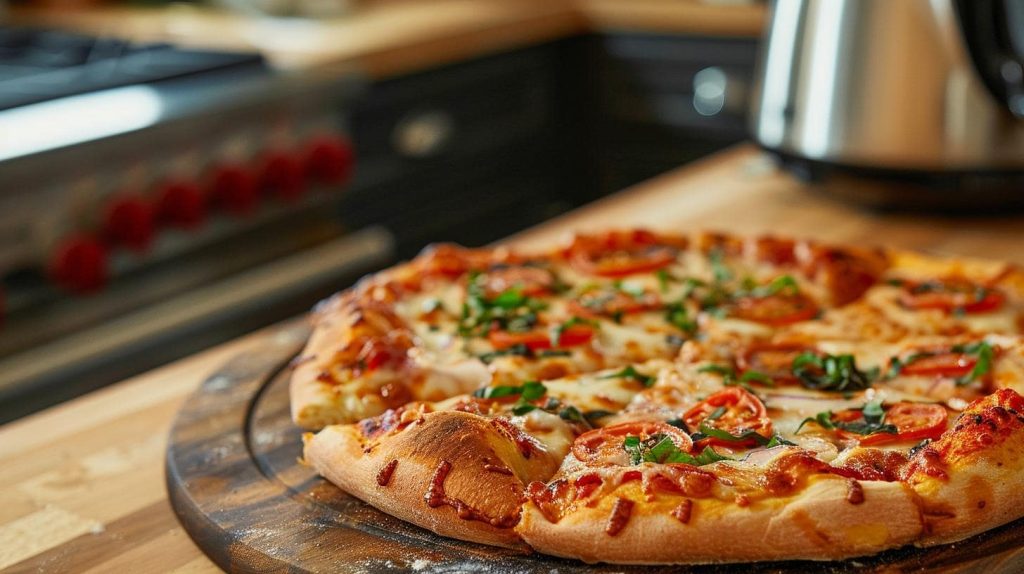
How to Make Perfect Italian Pizza Dough: Recipe, Tips & Cold Fermentation Secrets
Sep 05, 2024
International Recipes
-
- Prep Time
-
- Cook Time
-
- Total Time
-
- Servings
-
- Skill Level
-
- Cuisine Type
Approximate Nutritional Information (Per Serving)
Calories: 450 kcal
Protein: 18 g
Fat: 9 g
Carbohydrates: 90 g
If you’re chasing that elusive pizza crust—crispy on the outside, airy and chewy inside, and easily digestible—you must master the foundation: authentic Italian pizza dough. This guide doesn't just give you a recipe; it hands you the secrets of Italian dough to make it strong, elastic, and better than any take-out.
Essential Ingredients & Ratios
- Pizza Flour - 500 grams Pizza Flour - 500 grams (The Secret: Use high-protein flour) (Tipo 00 or high-quality bread flour).
- Warm Water - 325 ml (105-115°F or 40-45°C) (The dough needs a 65% hydration level for a light, airy crust).
- Instant Dry Yeast - 7 grams (approx. 2 tsp) (Ensure your yeast is fresh and active).
- Fine Sea Salt - 10 grams (approx. 1.5 tsp) (Crucial Step: Add the salt after mixing water, yeast, and flour to prevent killing the yeast).
- Extra Virgin Olive Oil - 20 ml (approx. 2 Tbsp) (Adds elasticity, flavor, and helps achieve a crisp final crust).
Flour Selection: Why Tipo 00 is King
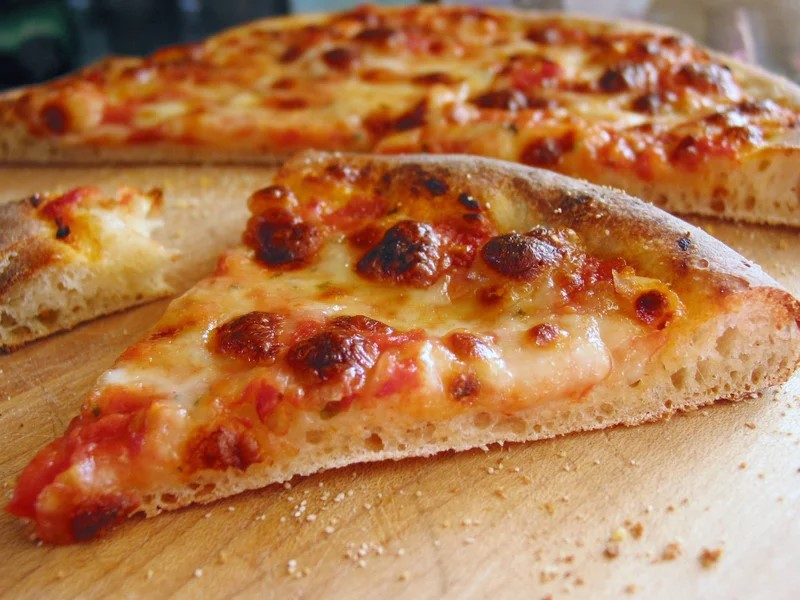
Dough quality is 80% reliant on the flour. For genuine Italian texture, you need high protein and fine milling:- Recommended: Italian Tipo 00 Flour This is the gold standard used in Naples. Its high protein (12-13%) and ultra-fine grind allow the dough to develop strong gluten, resulting in a super-elastic dough that inflates beautifully into the classic airy crust (Cornicione).
- Best Substitute: High-Protein Bread Flour If 00 is unavailable, use bread flour (12-14% protein). It’s far superior to all-purpose flour for creating the strong gluten network necessary for a light and chewy texture.
Preparation Technique: Mastering the Italian Method
Stage 1: The Professional Knead (10–15 Minutes)
- Activate & Combine: Mix warm water and yeast, letting it sit for 5 minutes until foamy. Combine flour and salt in your mixing bowl.
- Mix: Add the yeast mixture and olive oil to the flour. Start kneading on low speed.
- Knead: Increase the speed and knead for a full 10–15 minutes. The dough should pull away cleanly from the sides of the bowl and become smooth, soft, and highly elastic.
- The Windowpane Test: To confirm perfect kneading, pinch off a small piece of dough and gently stretch it with your fingers. If you can stretch it thin enough to see light through it (like a windowpane) without tearing, your gluten is perfectly developed.
Stage 2: Cold Fermentation (The Secret to Flavor)
This is the most crucial step for flavor and digestibility—do not skip it!- Bulk Rest: Form the dough into a single large ball, place it in an oiled bowl, cover it, and let it rest at room temperature until doubled in size (about 1–2 hours).
- Divide: Gently divide the dough into two equal portions and shape them into tight balls.
- Cold Ferment: Place the dough balls into separate, sealed containers and transfer them to the refrigerator for 12 to 24 hours.
Why Cold Ferment? The long, slow, cold process breaks down complex carbohydrates, develops organic acids, and gives the pizza a deep, complex, sourdough-like flavor while making it exceptionally light and easy to digest.
Stage 3: Shaping and High-Heat Baking
- Warm Up: One hour before baking, take the dough balls out of the fridge and let them come to room temperature.
- Shape: Gently stretch the dough using your hands or a rolling pin. Avoid pressing the edges—push the air toward the crust to ensure those puffy, airy edges.
- Preheat: Preheat your oven to the highest temperature setting possible (500–550°F or 250–300°C) for at least 30 minutes.
Essential Gear for the Perfect Bake
To get that ultra-crispy crust, high heat and the right equipment are non-negotiable:- Pizza Stone (or Pizza Steel): This is absolutely crucial. Place it inside the oven while preheating. When the dough hits this intensely hot surface, it crisps up instantly, perfectly mimicking the heat of a brick oven.
- Thick Baking Sheet: A viable alternative if you don't have a stone. It must also be preheated in the oven in the same manner.
- Baking Time & Temperature: Once toppings are quickly added, bake the pizza for only 6–10 minutes at the oven's highest temperature setting.
Bonus Tips: Storing Your Perfect Dough
If you’ve made a large batch, you can easily save the excess dough without losing quality:- Short-Term (Up to 3 Days): Keep the portioned dough balls sealed and refrigerated (continuing the cold ferment). Take them out one hour before use.
- Long-Term (Up to 3 Months): After dividing and shaping the dough balls, wrap each one tightly in plastic wrap, then place them in a freezer-safe bag. Freeze immediately.
- Thawing: Transfer the frozen dough from the freezer to the fridge for 12 hours, then let it finish thawing at room temperature for two hours before shaping.
Summary: Authentic Italian Pizza Dough - The Secret to Crispy Crust and Chewy Texture
The secret lies in using high-protein flour (12%-14%) and mastering the windowpane test after thorough kneading. The key feature is slow fermentation (12-24 hours) in the refrigerator to develop deep flavor and make the dough easy to digest, with baking at very high temperatures using a pizza stone.
Keywords: Italian pizza dough, Tipo 00 flour, cold fermentation, windowpane test, crispy dough, pizza stone, Neapolitan pizza, bread flour
Related Recipes: Jordanian Mansaf | Jaajil | Saudi Kabsa
This recipe relies on authentic Italian baking techniques.
Related Recipes: Jordanian Mansaf | Jaajil | Saudi Kabsa
This recipe relies on authentic Italian baking techniques.
Comments Restricted
Sorry, adding comments is only available for registered users.
Click here to log in or create a new account