
 English
 اللغة العربية
 Spanish
Al-Milaha fi Maqala
Your Path to Deeper Insight

Product successfully added to your shopping cart
Quantity
Total
There are 0 items in your cart.
There is 1 item in your cart.
Total products
Total shipping
To be determined
Total
- Countries of the World
- Cities and provinces
- Complete Cooking Recipe Index
- Prophets' Stories
- Population of world countries by country
- List of surahs in the Holy Qur'an
- All Countries of the World
- Zip code in Jordan
- Traffic signs in Jordan
- List of world capitals
- International Calling Codes
- The story of the cow of the Bani Israel
- Al-Quran Recitations mp3
- List of currencies of the world
- Car Brand Logos and Names
- Jordanian Cuisine Guide
- Country codes names
- World time zones by country
- 6 Evergreen Content Topics
- Country flags of the world with images and names
- List of countries and dependencies by area
- List of countries and dependencies by population
News
-
 Driving theory test in Jordan Sat, 09 May 2026
QR Code
Scan the code to visit the page
Authentic Jordanian Mansaf Recipe: Step-by-Step with Jameed
Jun 05, 2024
Arabic Recipes
-
- Prep Time
-
- Cook Time
-
- Total Time
-
- Servings
-
- Skill Level
-
- Cuisine Type
Approximate Nutritional Information (Per Serving)
Calories: 950 kcal
Protein: 50 g
Fat: 65 g
Carbohydrates: 80 g
Jordanian Mansaf: The National Dish of Jordan
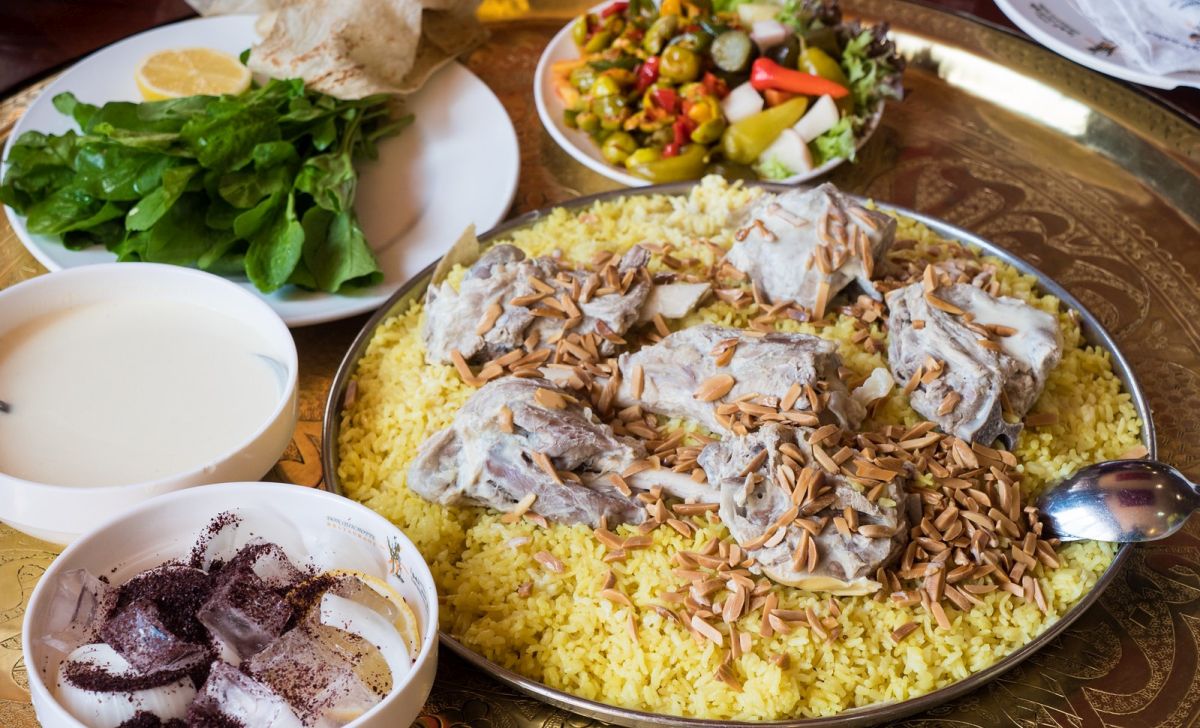
Symbol of generosity and Bedouin heritage • Slow-cooked lamb in jameed sauce • Layered over shrak bread and rice • Served on special occasions and celebrations
Jordanian Mansaf (Arabic: منسف /ˈman.saf/) is one of the most famous and oldest dishes in Jordanian cuisine, and is even considered the first national dish in the Hashemite Kingdom of Jordan. Mansaf is distinguished by its rich flavor and unique cooking and serving method, and is closely linked to Jordanian customs and traditions, especially on social and national occasions.
What is Mansaf and what is its origin?
Mansaf is a dish consisting of lamb cooked in a dried yogurt sauce (jameed), served over a layer of bread (sharak/marqouq) with rice, and garnished with nuts.The origins of Mansaf are attributed to the Bedouin traditions of Jordan, where it was prepared with lamb and bread with yogurt. Over time, rice was introduced into the recipe and Jameed emerged as a main ingredient.
Basic Mansaf Ingredients
Ingredients (serves about 6-8 people)
- Lamb Meat (bone-in preferred) - 1.5 – 2 kilograms (Use large pieces)
- Solid Karaki Jameed (Dried Yogurt Ball) - 400 – 500 grams (The traditional key ingredient. Or use liquid Jameed starter)
- Short-Grain Rice (Egyptian/Medium-grain) - 4 cups
- Shrak Bread (Markook/Saj Bread) - 4 – 6 loaves (For layering the serving platter)
- Clarified Butter (Samneh Baladi) - 4 tablespoons (Essential for the authentic flavor)
- Turmeric (for rice) - 1 teaspoon (To give the rice its signature yellow color)
- Cardamom Pods & Bay Leaves - For seasoning the broth.
- Fried Almonds & Pine Nuts - For garnish.
- Chopped Parsley - For garnish.
Preparation Method (Step-by-Step)
Phase 1: Preparing the Jameed (The Day Before or 6 Hours Ahead)
- Soak the Jameed: Break the solid Jameed ball into small pieces. Place them in a deep bowl and cover them with boiling water.
- Soak Time: Let the Jameed soak for a full night (or at least 6 hours) until it is completely softened.
- Blend and Strain: Transfer the soaked Jameed and the soaking water into a blender. Blend until the mixture is smooth and creamy with no lumps.
- Strain: Pour the blended Jameed through a fine-mesh strainer into the cooking pot to ensure the sauce is perfectly smooth.
Phase 2: Boiling the Lamb
- Clean the Meat: Rinse the lamb pieces well. Place them in a pot and cover them with water. Let the water come to a boil for 15 minutes, then discard this water completely and rinse the meat and the pot. (This removes impurities for a cleaner broth).
- Second Boil: Return the lamb to the clean pot. Add fresh water to cover, along with cardamom pods, bay leaves, and one whole, peeled onion.
- Skim the Foam: As it boils, continuously skim off any foam or impurities that rise to the surface until the broth is clear.
- Cook: Cover the pot, reduce the heat to very low, and let the lamb cook for 2 to 3 hours until it is completely tender (fall-off-the-bone tender).
- Save the Broth: Reserve some of the lamb broth to use for cooking the rice and thinning the Jameed.
Phase 3: Cooking the Lamb in Jameed Sauce (Laban Jameed)
- Heat the Jameed: Place the strained Jameed pot (from Phase 1) over medium heat.
- Continuous Stirring (Crucial Step): Continuously stir the Jameed with a wooden spoon or whisk. Do not stop stirring until the Jameed mixture comes to a full, rolling boil. (This prevents the yogurt from curdling or separating).
- Thin the Sauce: Once boiling, thin the Jameed sauce by adding 1-2 cups of hot lamb broth until it has a consistency similar to a thick, creamy soup. You can add a pinch of turmeric to enhance the yellow color.
- Add the Lamb: Gently transfer the pre-cooked lamb pieces into the boiling Jameed. Let it simmer gently for 15-20 minutes so the meat absorbs the Jameed flavor.
Phase 4: Cooking the Rice
- Prepare the Rice: Wash and soak the rice for 30 minutes, then drain.
- Color and Flavor: In a cooking pot, heat two tablespoons of Clarified Butter (Samneh). Add the drained rice, turmeric, and salt. Stir well until every grain of rice is coated in the butter and has a yellow hue.
- Cook: Add the hot lamb broth (or hot water) using a 1.5:1 ratio (1.5 cups liquid per 1 cup rice). Bring to a boil, then reduce the heat, cover the pot, and let it cook until fully tender (about 20 minutes).
Phase 5: Assembling and Serving the Mansaf
- Lay the Shrak: Spread the loaves of Shrak bread onto the large serving platter (the seder).
- Moisten the Bread: Ladle a small amount of hot Jameed sauce over the Shrak to moisten and soften it.
- The Rice Layer: Spread the cooked yellow rice evenly over the bread layer.
- The Lamb: Arrange the lamb pieces beautifully on top of the rice.
- Garnish: Sprinkle generously with the fried almonds, pine nuts, and chopped parsley.
- Final Touch: Ladle a bit more of the hot Jameed sauce directly over the lamb pieces just before serving to give them the signature white color and sheen.
- Serve: Serve immediately, with an extra bowl of hot Jameed sauce on the side for guests to add as they wish.
Traditions and Customs Associated with Mansaf
Mansaf is not just a food, but a symbol of generosity and chivalry in Jordanian culture.It is served in:- Weddings and happy occasions.
- Tribal occasions and major gatherings.
- At guests as a sign of respect and appreciation.
- At funerals, where it is offered to express solidarity and condolence.
It is considered part of Jordanian generosity traditions, as it reflects appreciation and respect for the guest.
The importance of Jameed: The secret to the flavor of Mansaf
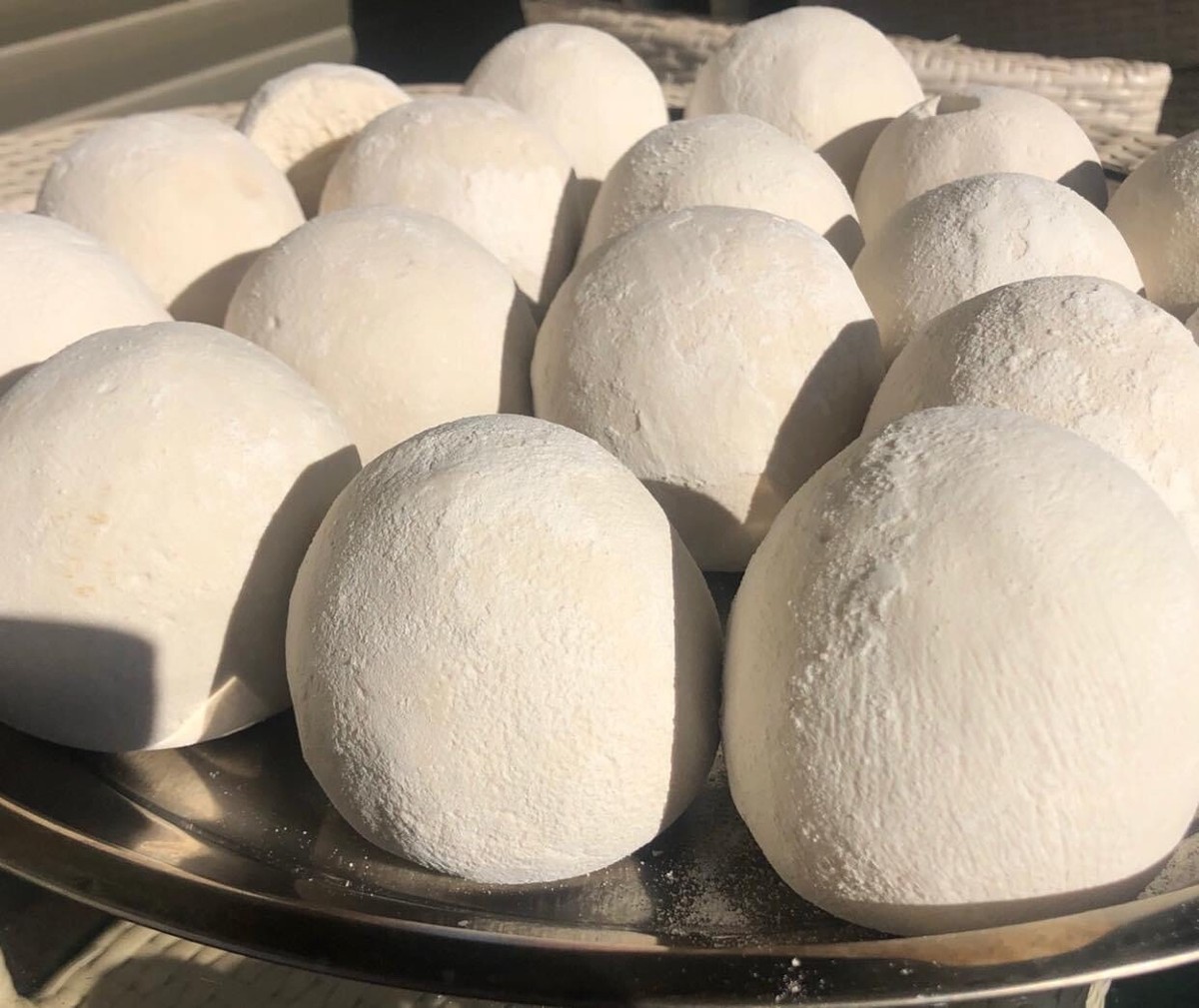
It's made from sheep or goat milk after it's been dried and removed from moisture. It's stored for a period of time, then thawed again during cooking.
- Karaki Jameed (named after Karak Governorate in southern Jordan) is the most famous and best.
- It is made by drying buttermilk and forming it into solid balls that can be stored for months, making it ideal for desert cooking.
- Jameed gives Mansaf a distinct, salty flavor unlike any other dish.
Tips for a delicious Mansaf
- Use tender meat and cut it so it cooks easily.
- Keep the sauce balanced between thick and liquid, so it's neither too thick nor too thin.
- Extravagant the sauce, as many people like to pour it over their plate.
- Toast the nuts before garnishing to bring out their flavor.
- Serve the dish very hot, as cold weakens the flavor.
Conclusion
Jordanian Mansaf is more than just a dish; it is an embodiment of national identity and Jordanian generosity. Despite modern developments in cooking and serving methods, mansaf still holds a special place in the hearts of Jordanians and constitutes an integral part of their rich and ancient heritage.Sahtein wa 'Afiah! (Enjoy your meal and well-being!)
Summary: Jordanian Mansaf - A Symbol of Generosity and Authenticity in Jordanian Cuisine
Jordanian Mansaf is characterized by tender lamb cooked in Karak jameed sauce, turmeric-infused rice, shrak bread soaked in broth flavor, and roasted nuts that add crunch and distinct flavor.
Be the first to comment on this topic!
Comments Restricted
Sorry, adding comments is only available for registered users.
Click here to log in or create a new account