
 English
 اللغة العربية
 Spanish


- Countries of the World
- Cities and provinces
- Complete Cooking Recipe Index
- Prophets' Stories
- List of surahs in the Holy Qur'an
- All Countries of the World
- Population of world countries by country
- Traffic signs in Jordan
- Zip code in Jordan
- List of world capitals
- The story of the cow of the Bani Israel
- International Calling Codes
- Al-Quran Recitations mp3
- List of currencies of the world
- Car Brand Logos and Names
- Jordanian Cuisine Guide
- Country codes names
- World time zones by country
- 6 Evergreen Content Topics
- Country flags of the world with images and names
- List of countries and dependencies by area
- List of countries and dependencies by population
QR Code
Scan the code to visit the page
News
-
 Driving theory test in Jordan Sat, 09 May 2026
Comprehensive Guide to Jordanian Cuisine: From Mansaf and Zarb to the Art of Authentic Mezze

A Journey into Authentic Jordanian Cuisine
National dishes starting with Mansaf, the symbol of generosity • Diverse appetizers featuring mezze and exquisite salads • Traditional desserts that crown the feast with unparalleled delight
Jordanian Cuisine: Main Dishes (Kings of the Table)
The main dishes in Jordan are the heart of the table and the epitome of generosity, characterized by the reliance on meats (especially lamb), grains, and distinct local ingredients like Jameed.National and Festive Dishes
- Mansaf:Mansaf
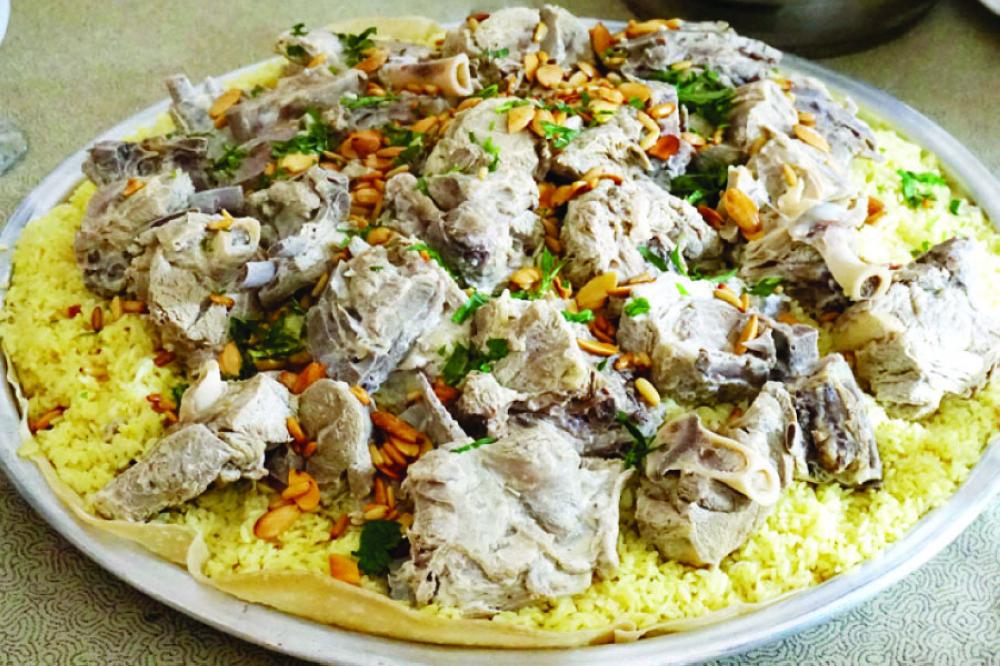 is Jordan's primary national dish and a symbol of hospitality. It consists of local lamb cooked slowly in Jameed (dried and fermented goat's yogurt) broth, which gives it its unique flavor. It is served over layers of rice and Shrak bread, and garnished with nuts.
 - Maqlubah:Maqlubah
 A famous celebratory dish, where rice, meat (chicken or lamb), and fried vegetables (such as eggplant and cauliflower) are cooked together, then flipped over when served.
 - Zarb: The traditional Bedouin barbecue. Meat and vegetables are cooked in an iron earth oven (tannour) buried in a pit underground and covered with hot coals, giving the food a unique smoky flavor.
- Haneeth (Stuffed Suckling Lamb): A huge and heavy meal served at large feasts. It consists of a whole roasted lamb, stuffed with rice, minced onions, and nuts.
- Makmura:Makmura
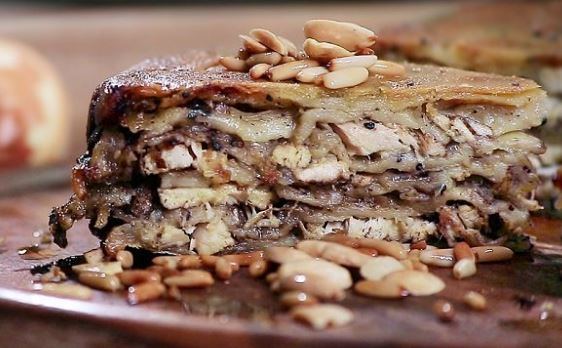 The rural meat pie. A northern dish consisting of layers of dough filled with a rich stuffing of chicken, onions, and virgin olive oil, and baked slowly in the oven.
 - Musakhan:Musakhan
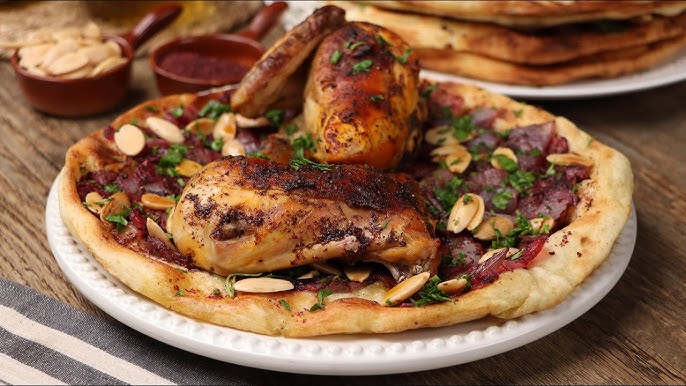 A famous dish from northern Palestine and Jordan, consisting of Taboon bread, topped with chicken, caramelized onions, local olive oil, and large amounts of Sumac. (Although not on your list, it is essential).
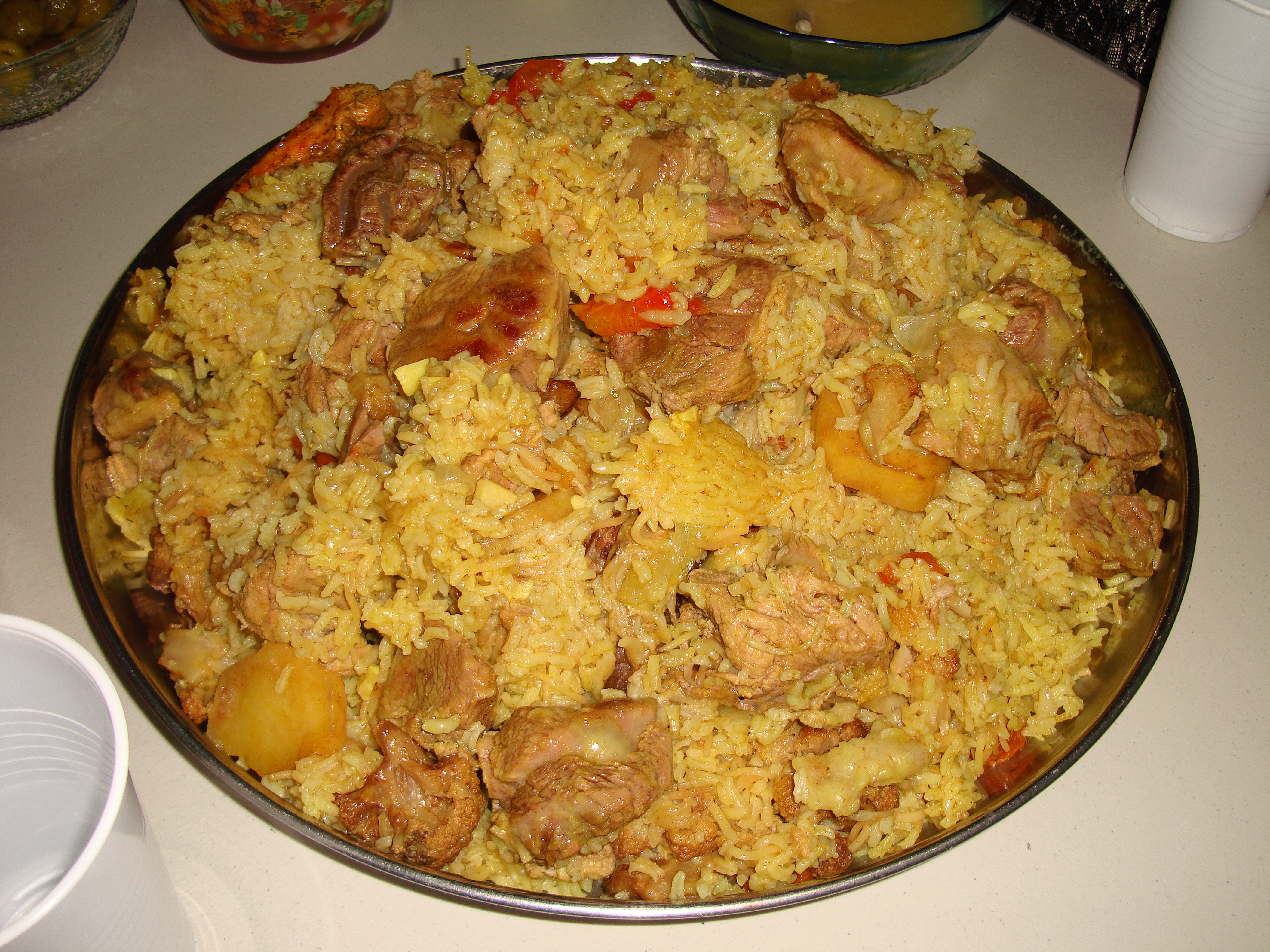
 - Kabsa:Kabsa
 An Arabic rice dish based on long-grain rice, meat, and vegetables, seasoned with a complex blend of spices.
Stews, Cooked Dishes, and Stuffed Vegetables

- Kousa Mahshi (Stuffed Zucchini) and Waraq Enab/Dawali (Stuffed Grape Leaves): Stuffed dishes are essential. Zucchini is cored and stuffed with rice and minced meat. Grape leaves are stuffed with rice and herbs, and both are cooked in a sour broth with lemon or tomato broth.
- Malfuf: Cabbage leaves are stuffed with a mixture of rice and minced meat, and cooked in a sour broth that includes garlic and lemon.
- Bamia (Okra): Okra pods are cooked in tomato sauce with onions and pieces of lamb. Served hot with rice.
- Fasoulya (Beans of all kinds): Includes white or green beans cooked in rich tomato sauce, served as a side dish with rice.
- Mulukhiyah: Mulukhiyah leaves are cooked with meat or chicken broth, and Tasha (fried garlic and coriander) is added.
- Musaqa'h: Levantine variations of the Mediterranean dish, based on eggplant, vegetables, and minced meat.
Grain Dishes and Winter Foods
- Mujaddara: A popular and economical dish, consisting of lentils and rice cooked together, and garnished with caramelized fried onions.
- Freekeh with Vegetables: Roasted green wheat cooked with meat or poultry broth.
- Burghul: Served in two types: Red Burghul cooked with tomato sauce, or Burghul bil Zeit cooked with olive oil.
- Al-rashoof: A warm winter meal, consisting of a mixture of coarse wheat flour, lentils, and Laban (yogurt), popular in northern Jordan.
- Maftul:Maftul
 Large balls similar to Couscous, cooked with chickpeas and pieces of chicken in rich chicken broth.
 - Al-JaajeelAl-Jaajeel
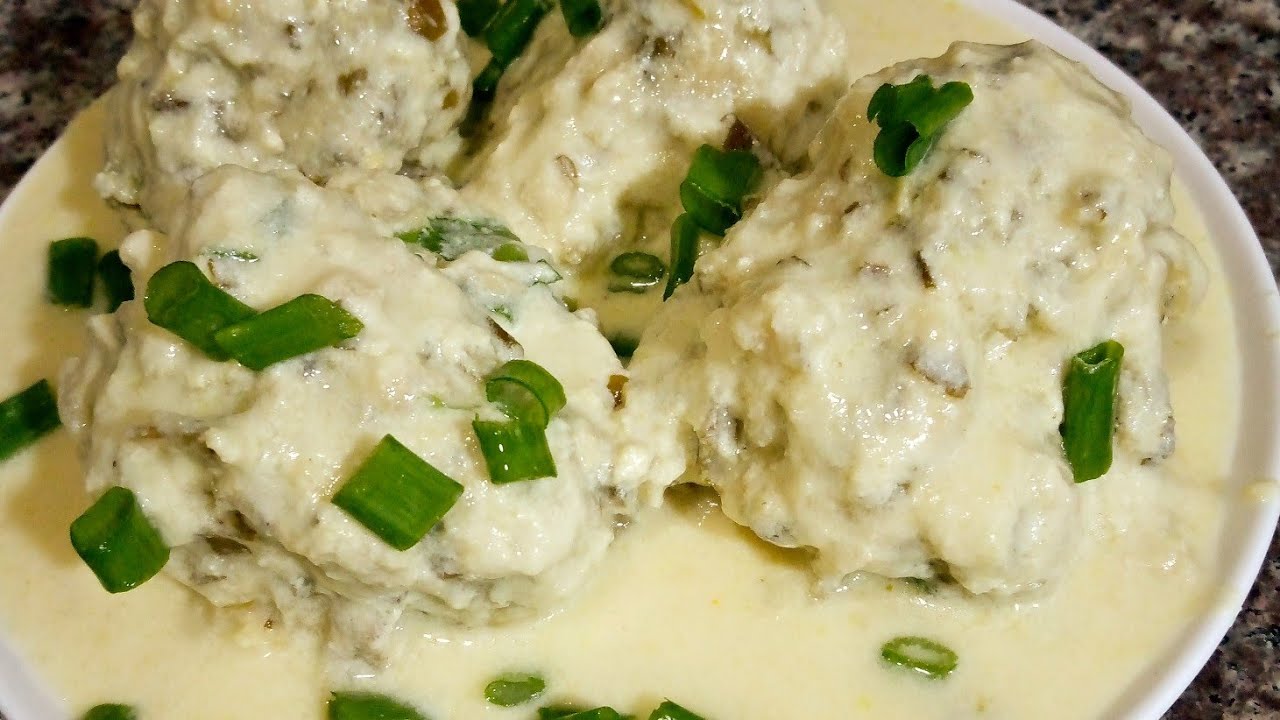 (Al-Kakaeel or Al-Sha'asheel): Specialized local popular dishes in the North based on dough balls or seasonal plant leaves cooked in Jameed or yogurt broth.
 - ShishbarakAthan Al-Shayeb
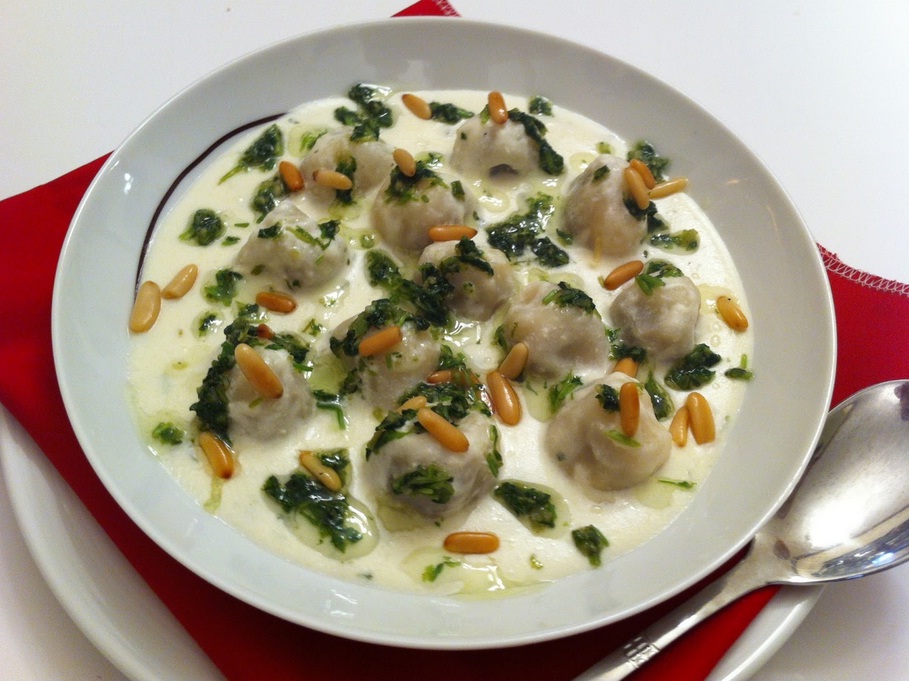 (Athan Al-Shayeb): Small dumplings stuffed with minced meat and spices, cooked in a hot broth of Jameed or sour yogurt.
Kofta and Grilled Dishes

- Kofta b'bandura (Kofta with Tomato): Spiced minced meat balls or patties baked in rich tomato sauce with onions.
- Kofta b'tahini (Kofta with Tahini): Kofta baked in a thick, flavorful Tahini sauce, topped with potato slices and pine nuts.
- Kebab/Mashawi (Kebab and Grills): Meats grilled over charcoal, served as mixed grills including kebab skewers and Shish Tawook.
Quick Everyday Dishes
- Galayet Bandora:Galayet Bandora
 A light and popular dish, consisting of chopped and fried/cooked tomatoes with onions and olive oil. Eaten with bread.
 - Sajiyeh: A quick dish of meat quickly fried on a Saj pan with peppers, onions, spices, and olive oil.
- Fatteh: Layers of toasted or fried bread, topped with strained yogurt (Laban), cooked chickpeas, and seasoned with olive oil.
Jordanian Cuisine: Mezze, Appetizers, and Salads
Mezze is the most dominant style of eating in Jordan, a wide array of small dishes, salads, and appetizers served communally, facilitating scooping and dipping with bread before the main courses.1. Essential Dips & Spreads
These items are the pillars of the Jordanian table and heavily rely on legumes and dairy products:
- Hummus: A smooth paste of boiled and mashed chickpeas mixed with Tahini, olive oil, lemon juice, and garlic. Often garnished with olive oil and parsley.
- Baba Ghanoush: Grilled and finely chopped eggplant, mixed with Tahini, lemon juice, olive oil, and spices.
- Ful Medames: Slow-cooked fava beans, served with a variety of toppings like olive oil, lemon, parsley, hot pepper, and cumin.
- Labaneh Jarashiyyeh: Thick creamy yogurt, which can be spread on flatbread or eaten with olive oil and Za'atar.
- Olive Oil & Za'atar: Olive oil is a cornerstone of Jordanian food. Flatbread is dipped in oil, then in Za'atar (a mix of wild thyme, sesame, and sumac), especially for breakfast.
- Baqdonsiyyeh: A unique side dish of parsley mixed with Tahini and lemon juice, usually served with seafood.
- Khobbeizeh: Mallow plant cooked in olive oil, a healthy and simple rural dish.
2. Salads and Vegetarian Dishes (Salads)
Jordanian salads are characterized by being rich in mint, lemon, and olive oil:- Tabbouleh: A traditional vegetarian dish of finely chopped parsley with mint, bulgur, tomatoes, and onions. Seasoned with olive oil and lemon.
- Fattoush: A salad of mixed vegetables (lettuce, tomatoes, radishes, mint) with pieces of fried or toasted Pita bread added, seasoned with sumac, oil, and lemon.
- Arab Salad: A fresh and simple salad of tomatoes, cucumbers, onions, and mint, cut into small cubes, and seasoned with olive oil and lemon juice.
- Yalanji: Grape leaves stuffed with rice, vegetables, and herbs only (without meat), cooked in olive oil, and often served cold.
3. Fried, Baked, and Stuffed Items

- Falafel:Falafel
 Fried balls made from chickpea flour and Middle Eastern spices. Essential in every mezze meal, especially when dipped in hummus.
 - Kibbeh: Spiced minced meat covered with a bulgur shell, then fried. Served in various forms:
Kibbeh Labaniyyeh: Kibbeh cooked in Jordanian Jameed broth.
Kibbeh Nayyeh: Kibbeh where the minced meat is served raw and mixed with bulgur and spices. - Manakish and Samosa:
Manakish: Flatbread topped with olive oil and Za'atar, or cheese, or minced meat (in which case it is called Sfiha).
Samosa: Fried dough balls stuffed with meat and nuts or cheese. - Pickles & Makdous:
Pickles (Torshi): Vegetables soaked in water, salt, and vinegar (cucumber, carrots, radish, cauliflower). Essential for stimulating the appetite.
Makdous: Small pickled eggplant stuffed with walnuts, garlic, peppers, and olive oil, which enhances the appetite. - Halloumi: Semi-soft white cheese, served fried or grilled, less salty than Feta cheese.
- Zaitun (Olives): Olives of various types and colors, an integral part of the food culture.
Jordanian Cuisine: Salads and Cold Appetizers
Salads in Jordanian cuisine are not just side dishes, but an essential part of the mezze meal, adding freshness and acidity, and heavily relying on fresh vegetables, olive oil, and lemon.1. Fresh Vegetable Salads
These salads are served to stimulate the appetite and add acidic balance to the table:
- Tabbouleh: An essential vegetarian dish, consisting of finely chopped parsley, mint, tomatoes, and onions, with a small amount of bulgur. Seasoned with olive oil, lemon juice, and salt, famous for its refreshing flavor.
- Fattoush: A mixed vegetable salad (including tomatoes, cucumbers, radishes, and lettuce) with pieces of fried or toasted Arabic bread added. Seasoned with olive oil, lemon, and sumac, which gives it a distinctive flavor.
- Arab Salad: A simple and essential daily salad, consisting of tomatoes, cucumbers, onions, and mint, cut into small cubes. Seasoned with olive oil and fresh lemon juice.
- Rocket Salad: Consists of large Arugula leaves, simply seasoned with olive oil and lemon, and often with onion rings and sumac added.
2. Eggplant and Olive Salads
These items add extra depth to the mezze and are dipped with bread:- Baba Ghanoush: Made from grilled and peeled eggplant, then chopped into pieces and mixed with tomatoes and onions. Seasoned with oil and lemon, sometimes served with tahini added.
- Olive Salad: A mixture of chopped olives with carrots, green peppers, and chili peppers. Seasoned with cumin and a generous amount of olive oil.
Jordanian Cuisine: Soups (Shorbat)
In Jordan, meals often start with hot soup, and soups are usually named after their main ingredient, reflecting simplicity and focus on natural ingredients.
- Lentil Soup (Lentil Soup):
Description: A warm and popular soup served hot. It consists of mashed lentils (brown, red, or green), cooked in chicken or meat broth, and seasoned with a variety of spices.
Additional Ingredients: Other vegetables such as carrots, potatoes, celery, and onions may be added. It is considered an excellent nourishing winter meal, often served with lemon juice and toasted bread. - Freekeh Soup (Freekeh Soup):
Description: A soup characterized by its rich flavor, made from Freekeh (roasted green wheat) grains. The Freekeh is cooked in chicken or meat broth and seasoned with spices.
Nutritional Value: This soup is considered one of the traditional dishes that provide warmth and energy to the body, and is served at gatherings and during cold weather.
Jordanian Cuisine: Sandwiches, Baked Goods, and Popular Pastries
This category represents daily fast food, breakfast, and dishes made from dough. They are an integral part of the urban and popular food scene in Jordan.1. Ready-Made and Wrapped Sandwiches

- Shawarma: An essential and popular dish, consisting of seasoned meat (chicken, lamb, or beef), grilled on a vertical spit. The meat is sliced thinly and wrapped in flatbread with vegetables, Tahini, or hot sauce.
- Falafel: A simple and nutritious sandwich, consisting of fresh bread (Pita or Taboon) stuffed with fried Falafel balls, Hummus, tomatoes, and pickles. A favorite light breakfast or dinner meal.
- Ara'yes: Literally meaning "bride". It is flatbread (Pita) stuffed with spicy, seasoned minced meat, then baked in the oven until crispy.
2. Baked Pies and Pastries (Mo'ajanat)
Pastries are a main item for breakfast and light dinner:
- Manakish: Flatbread (usually Taboon bread) topped with spices. The most common type is Za'atar mixed with olive oil. It can also be topped with cheese or minced meat.
- Sfiha: A type of flatbread topped with minced beef seasoned with red pepper and onions.
- Mo'ajanat: An umbrella term for all small pastries that are baked and filled with various fillings such as cheese, spinach, Za'atar, or meat.
- Sambusak: Fried dough balls or pastries stuffed with cheese or minced meat with pine nuts and onions.
Jordanian Cuisine: Baked Goods and Types of Bread
Bread (Khubz) is not just a complement in Jordan, but an essential tool for scooping and soaking, and a part of the hospitality culture. The types of bread vary between traditional Bedouin and modern urban.-
Shrak/Markook Bread (Shrak/Markook):
Description: Traditional Bedouin bread, characterized by its extreme thinness. The dough is spread out to be very thin then baked on a hot, concave iron griddle (called a Saj).
Usage: Essential for the Mansaf dish, and also used for wrapping shawarma and grilled meats. -
Taboon/Laffa Bread:
Description: A relatively thick flatbread, traditionally baked in a Taboon oven (a clay or stone oven).
Usage: Used for making Musakhan, and sold as street food stuffed with hummus, falafel, or grilled meat. -
Hamam/Sammoun Bread:
Description: Bread similar to a French loaf or sandwich roll, characterized by a soft and light texture, often subject to price control.
Usage: Commonly used for making various sandwiches in restaurants and homes. -
Arabic Bread (Khubz/Pita)
Description: This is the general term for bread, specifically known as Pita Bread (or pocket bread).
Usage: Primarily used for breakfast and for dipping Hummus and Baba Ghanoush. -
Ka'ak (Traditional Bread/Biscuit)
Description: A traditional Jordanian bread/biscuit typically shaped like a large ring or sheet and completely covered with sesame seeds.
Usage: Commonly eaten as a snack with boiled eggs, cheese, and olives. -
Eid Ka'ak (with Fennel and Mahlab)
Description: A thick, light, and airy bread or biscuit, flavored with fennel (shumar), anise (yansoon), and mahlab. Traditionally prepared for Eid holidays and served for breakfast or with tea. -
Ka'ak wa Bayd / Salted Street Ka'ak
Description: An oval, flat bread coated with sesame seeds, characterized by a relatively crisp/hard exterior texture.
Usage: A traditional Jordanian breakfast item, often eaten as a snack with boiled eggs, cheese, and Zaa'tar. -
Abud Bread (Bedouin style)
Description: A dense, unleavened Bedouin bread traditionally baked uniquely by being buried directly in the hot ashes of a wood fire and covered with hot embers. -
Karadeesh (Traditional Corn Bread)
Description: A traditional Jordanian bread made from corn flour, characterized by a different texture than common wheat bread.


Jordanian Cuisine: Desserts (Sweets)
Jordanian sweets are an integral part of the culture of hospitality and celebrations, characterized by their richness in syrup (Sheera), nuts, and cream.
- Knafeh:Knafeh
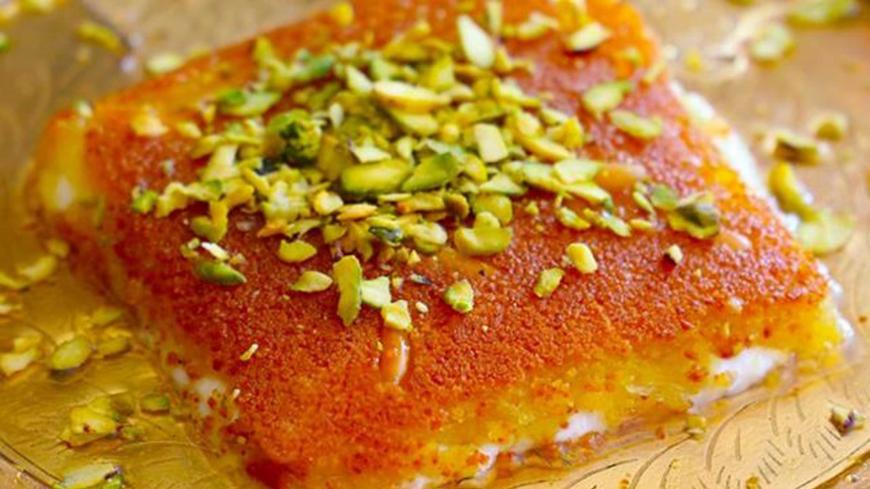 A famous Levantine sweet, consisting of shredded or coarse Knafeh dough stuffed with a special white cheese or cream. It is baked and drenched in hot syrup (Sheera), and is considered the queen of desserts in Jordan.
 - Baklava:Baklava
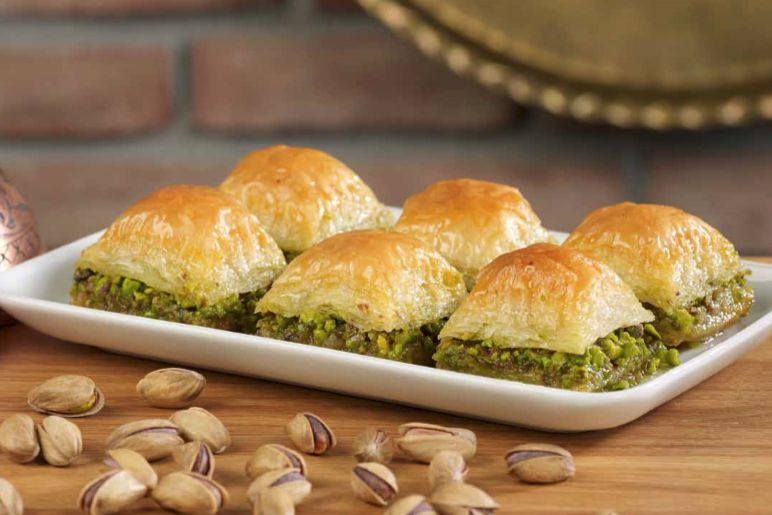 A rich sweet consisting of thin layers of phyllo dough, filled with chopped nuts (often pistachios or walnuts), and soaked in syrup or honey.
 - Warbat:Warbat
 Pastries made from thin layers of phyllo dough cut into triangles or squares, stuffed with cream or custard, and soaked in syrup. Often eaten during the month of Ramadan.
 - Qatayef:Qatayef
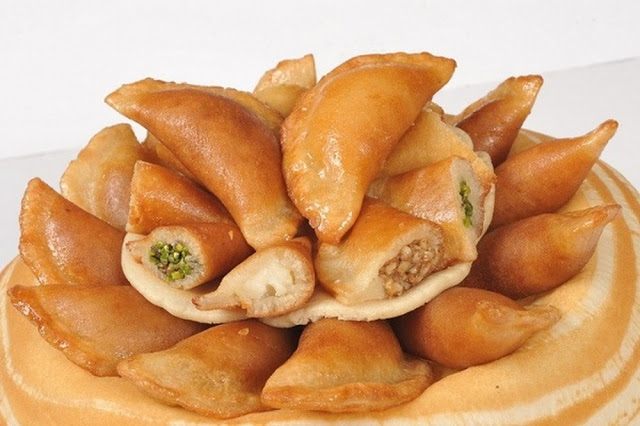 Sweet pancakes similar to small crepes, stuffed with cream or chopped and spiced walnuts, fried or baked then dipped in syrup. The most popular Ramadan dessert.
 - Halva: A Middle Eastern sweet primarily made from sesame flour and milk, mixed with other ingredients like pistachios or nuts.
- Mutabbaq: A delicate dessert made of thin layers of dough sweetened with syrup (Qatr), and stuffed with sweet cheese or cream (Qishta), then baked. It resembles Warbat but is typically served on a flat platter.
- Hareeseh/Basbousa: A dense semolina cake saturated with syrup (Qatr). It is often garnished with almonds or nuts and is a popular post-meal dessert.
Jordanian Cuisine: Beverages and Hospitality Customs
Beverages are key to daily hospitality and social gatherings, varying between traditional Arabic coffee and seasonal juices.Hot Beverages

- Qahwa Sada (Plain Arabic Coffee): It is the supreme symbol of hospitality. It consists of roasted and ground coffee beans, boiled with generous amounts of Cardamom (Hel), and served in small cups (finjan).
- Turkish-style Coffee: Strong and dense coffee. It is heated over low heat in a 'rakwah' (a pot with a long handle) with sugar and water, and left until boiling. An essential drink in homes and cafes.
- Black Tea: Consumed in large quantities, usually served flavored with Mint (Na'na) or Sage (Meramiyyeh), with generous amounts of sugar.
- Sahlab: A warm and nourishing winter drink, consisting of thick boiled milk with starch (historically extracted from orchid roots), and garnished with cinnamon and shredded coconut.
- Meghli / Caraway Pudding: A thick dessert served cold, made from ground rice and warm spices (especially caraway and cinnamon). It is traditionally served to celebrate the arrival of a newborn baby.
- Milk with Ginger and Cinnamon: A warm and nutritious winter drink, made from boiled milk flavored with ground ginger, cinnamon, and sugar. It is consumed for warmth.
Cold Beverages and Juices
- Shaneeneh: A refreshing Jordanian drink, consisting of slightly salted and aged goat's yogurt (Labneh), served cold.
- Lime-mint juice: A very refreshing and favorite summer drink, consisting of fresh lime juice mixed with mint.
- Qamar eddine: A famous juice made from dried apricots, usually served cold during the month of Ramadan.
- Tamar hindi: A sweet and sour juice, made from Tamarind extract, also an essential drink in Ramadan.
Summary: Jordanian Cuisine - A Heritage of Hospitality and Authentic Flavors
Jordanian cuisine is characterized by hospitality dishes embodied in Mansaf, Maqluba and Zarb, diverse appetizers led by mezze and delicious salads, traditional desserts reflecting deep cultural heritage, supported by hospitality traditions that start with Arabic coffee and end with the finest sweets.
This page has been viewed
13092
times
Be the first to comment on this topic!
Comments Restricted
Sorry, adding comments is only available for registered users.
Click here to log in or create a new account